
Machine Data Remains Underused in the Heavy Industry
Why industrial machine data often goes unused and how it becomes operational intelligence.
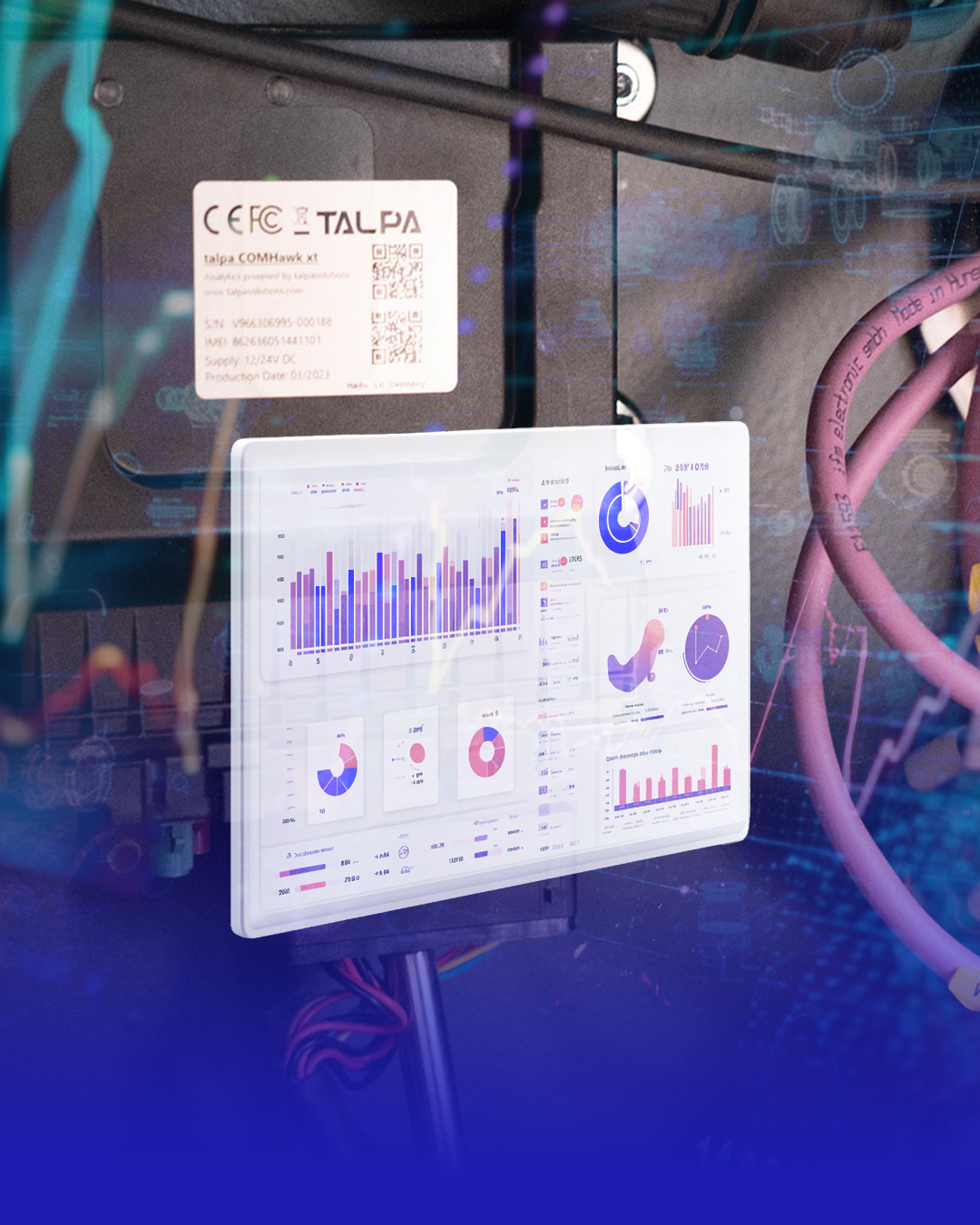
Industrial equipment today generates more data than ever before.
Machines operating in sectors such as mining, material handling, recycling, infrastructure, and port operations continuously produce operational signals through sensors, control systems, and telematics units. These signals provide insight into machine health, usage patterns, and technical performance.
In theory, this data should allow organizations to optimize maintenance, improve reliability, and increase equipment uptime.
In practice, however, much of this data remains underused.
Across heavy industry, many organizations collect machine data but struggle to translate it into meaningful operational insight.
The Growth of Connected Equipment
Over the past decade, connectivity has become a standard capability in modern equipment.
Telematics systems now allow machines to transmit information such as:
- operating hours and utilization
- engine and component performance
- location and movement
- diagnostic signals and fault codes
- environmental and workload conditions
This connectivity has significantly improved machine visibility. Operators and service teams can monitor equipment remotely and receive alerts when technical issues occur.
However, visibility alone does not guarantee better decisions.
The Challenge of Fragmented Data
One of the primary reasons machine data remains underused is fragmentation.
Heavy equipment fleets often consist of machines from multiple manufacturers and different machine generations. Each system may produce data in its own format and store it in separate platforms.
As a result, machine information is often distributed across multiple systems, including:
- OEM telematics platforms
- fleet management tools
- maintenance systems
- internal operational databases
This fragmentation makes it difficult to analyze machine behavior consistently across fleets.
Without a unified data foundation, organizations struggle to identify patterns that extend beyond individual machines.
Signals Without Context
Another challenge is that raw machine signals often lack operational context.
Telematics systems may generate alerts or diagnostic codes, but these signals rarely explain the full picture.
Service teams still need to determine:
- whether an alert represents a real technical risk
- how urgently the issue must be addressed
- what the root cause of the signal may be
- how similar issues have occurred across other machines
Without the ability to interpret machine signals across fleets, service teams often rely on manual diagnostics and reactive maintenance.
This limits the operational value of the data being collected.
The Limits of Machine-Level Analysis
Many organizations analyze machine data at the level of individual assets.
While this approach can help diagnose specific problems, it does not reveal broader patterns across machine populations.
However, the most valuable insights often emerge only when machine data is analyzed at scale.
When organizations compare data across hundreds or thousands of machines, they can identify patterns such as:
- recurring technical issues across machine models
- early indicators of component degradation
- operational conditions that increase failure risk
- maintenance strategies that improve reliability
These insights remain invisible when machines are analyzed individually.
From Machine Data to Machine Intelligence
Unlocking the value of machine data requires more than simply collecting signals.
Machine data must be connected, structured, and analyzed across fleets and operating environments.
TALPA enables this transformation by connecting machine data from telematics systems, sensors, and operational sources and structuring it into a unified data foundation.
Once machine signals are harmonized across machines and machine generations, patterns begin to emerge that would otherwise remain hidden.
Service teams can identify anomalies earlier, detect recurring issues across fleets, and prioritize maintenance interventions more effectively.
Instead of reacting to individual machine alerts, organizations gain a broader understanding of machine behavior across their operations.
Unlocking the Value of Industrial Data
Heavy industry is entering a new era where machines continuously generate operational insight.
However, the organizations that gain the most value from machine data will not be those that simply collect it.
They will be the ones that can translate machine signals into actionable intelligence.
By connecting machine data across fleets and ecosystems, organizations can move from isolated machine monitoring toward a deeper understanding of how equipment performs in real operating environments.
This shift allows OEMs, service providers, and operators to improve reliability, reduce downtime, and continuously optimize equipment performance.
Subscribe to our blog!
Lorem ipsum dolor sit amet consectetur nulla augue arcu pellentesque eget ut libero aliquet ut nibh.


.png)